
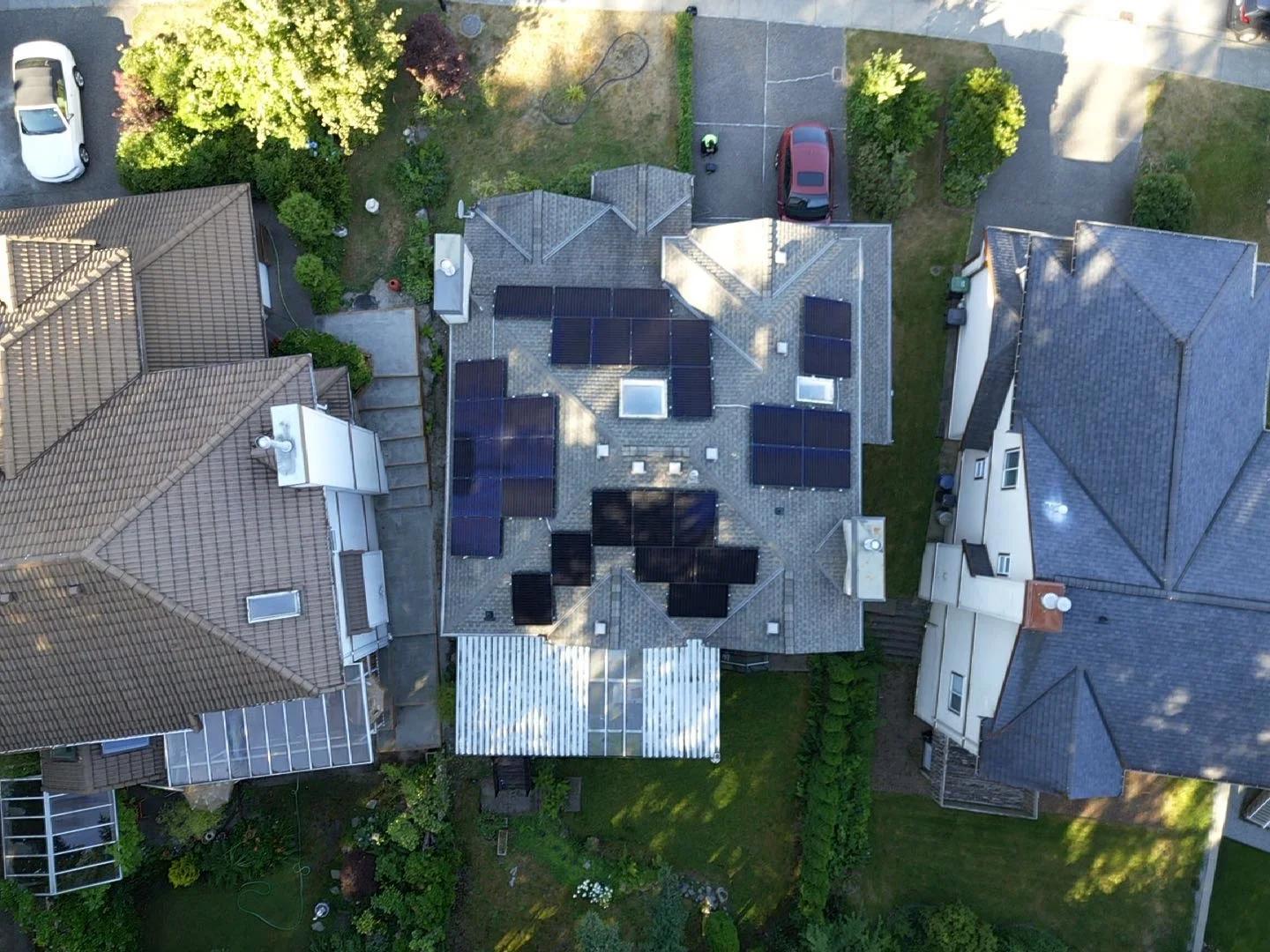
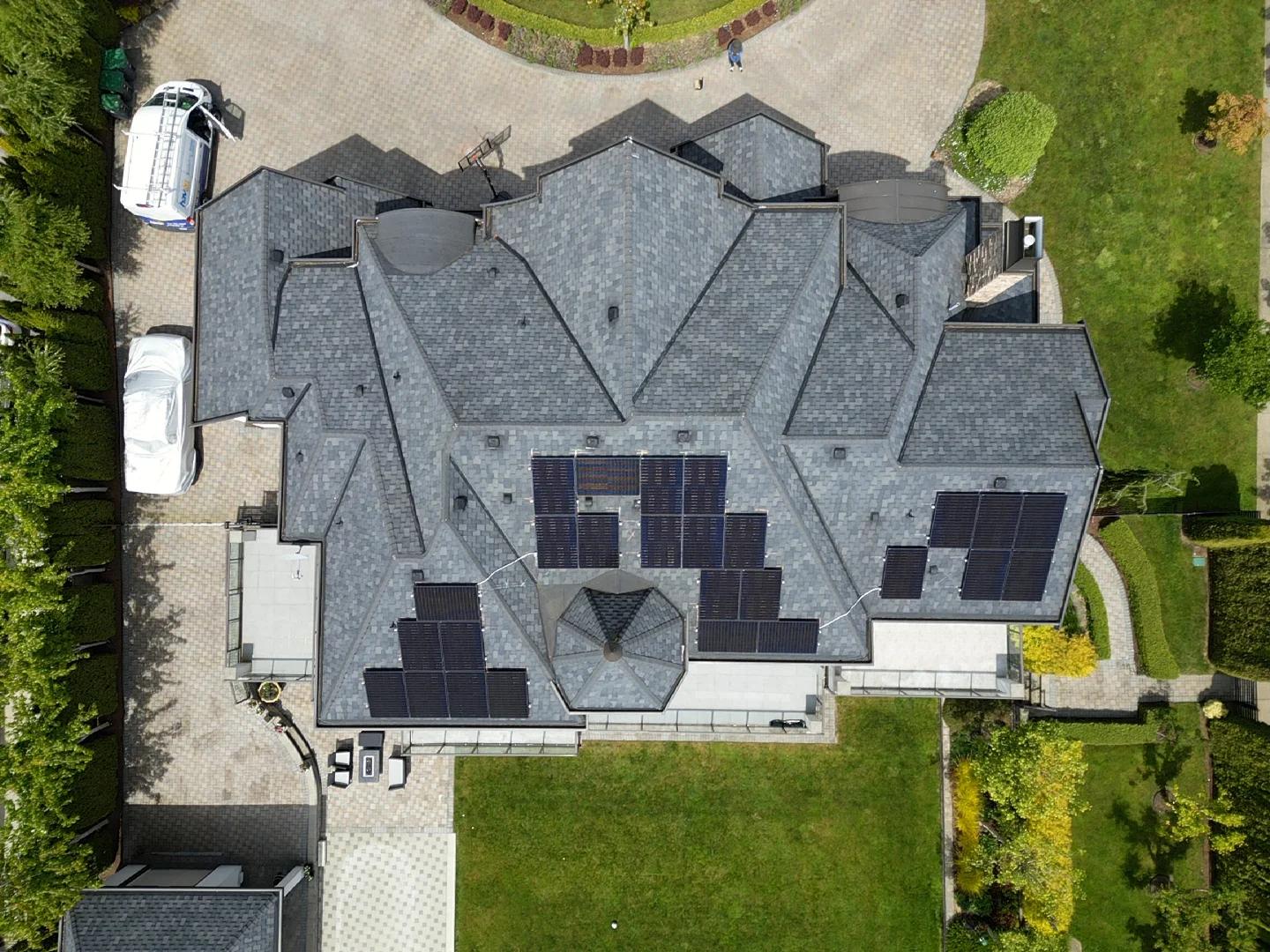
Commercial Solar Panel Installation for Canadian Businesses
Polaron designs and installs commercial solar power systems that help businesses reduce electricity costs, access clean energy incentives, and improve long-term energy resilience. From engineering and permitting to financing, installation, and monitoring, our team manages the full commercial solar project from start to finish.
Commercial Solar Energy Incentives and Tax Credits
Eligible Canadian businesses may be able to reduce commercial solar project costs through federal tax credits, accelerated depreciation, utility rebates, and provincial programs.

Clean Energy Investment Tax Credit
OpenOrganizations can receive a tax credit of up to 30% on the capital cost of eligible solar generation and storage equipment.
Commercial Solar ROI and Payback Period
Discover the latent fiscal potential of your facility. Estimate your long-term solar power for business returns, unlock hidden capital subsidies, and review custom financing options in real time.
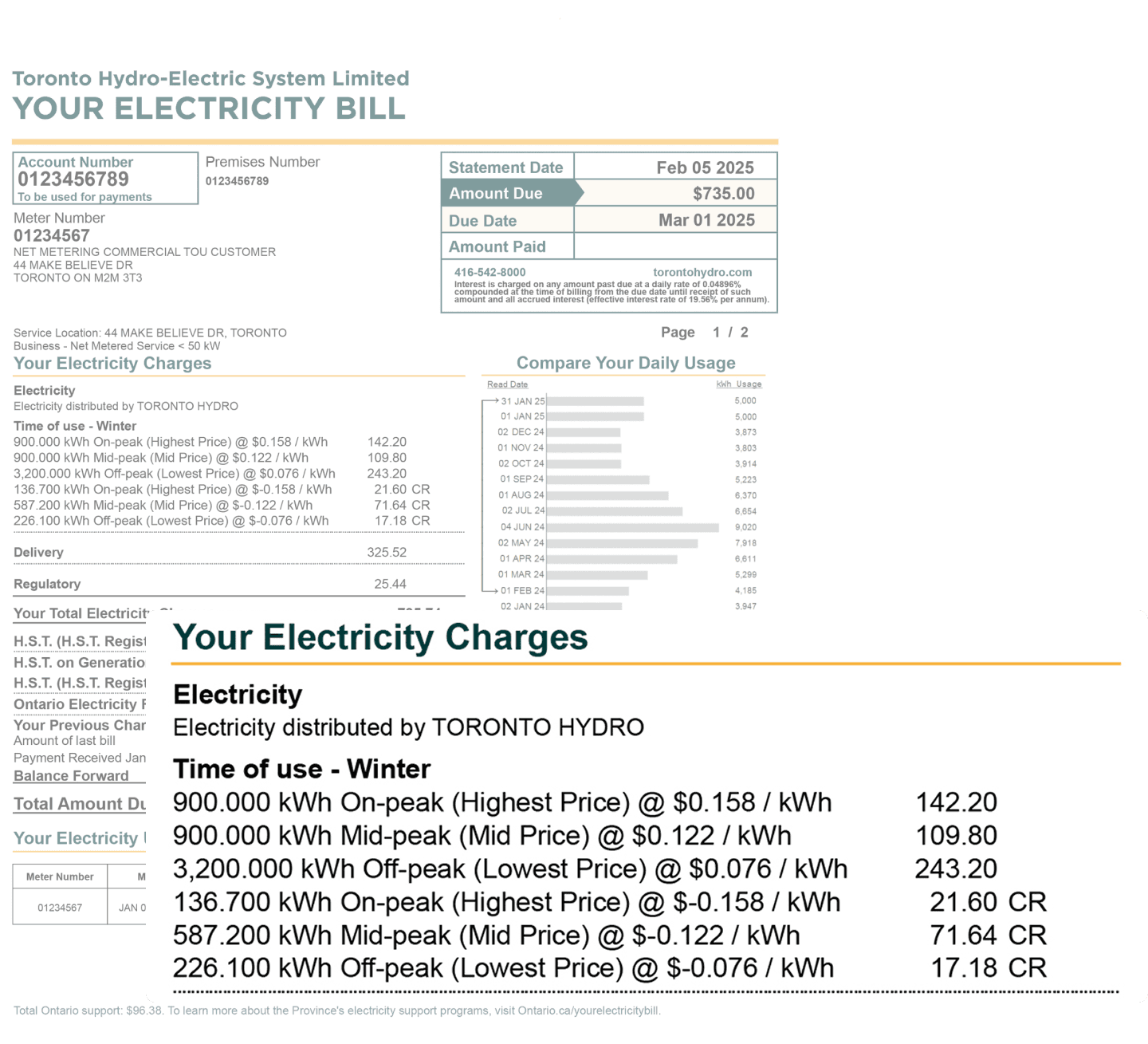
Your Estimated System Size
Range: 35kW - 51kW
Potential Savings
5 Years: $21,700
10 Years: $38,500
25 Years: $69,400
Needs Assessment
We start by understanding your energy needs, site conditions, and goals for solar installation.

Custom Design
Based on the assessment, a tailored system design will be created focusing on technical specifications and feasibility.

Proposal & Agreement
Deliver a comprehensive proposal that includes system performance estimates, financial analysis, and projected savings, followed by formalizing the agreement.

Planning & Permits
Develop a project plan and handle all necessary permits and approvals.

Installation & Commissioning
The experienced team will carry out the system installation, followed by thorough testing and commissioning. This ensures the system meets all project targets, adheres to industry standards, and functions as expected.

Handover & Warranty Start
Upon final inspection, comprehensive documentation will be provided and training sessions will be conducted to ensure seamless operation of the system. The warranty period will begin at this stage, ensuring long-term support and reliability.

What is the real payback timeline for a commercial solar energy solution in Canada right now?

What is the real payback timeline for a commercial solar energy solution in Canada right now?
Can solar panels alone eliminate my company’s utility demand charges?

Can solar panels alone eliminate my company’s utility demand charges?
How does my business deduct the capital cost of commercial solar systems from our corporate taxes?
How does my business deduct the capital cost of commercial solar systems from our corporate taxes?
Is it better for a business to choose an in-house financing program or standard solar leasing for businesses?
Is it better for a business to choose an in-house financing program or standard solar leasing for businesses?
For the vast majority of Canadian businesses, utilizing an exclusive capital financing framework like Polaron's Sunline program is significantly more profitable than standard solar leasing for businesses or Power Purchase Agreements (PPAs). With a lease, the third-party provider keeps the lucrative 30% federal tax credit, carbon offsets, and accelerated write-offs. By choosing our low-interest financing model, your company retains full asset ownership, allowing you to pocket all government rebates, write off the depreciation, and permanently build equity directly into your commercial property.
Will the physical installation process disrupt our daily warehouse or factory operations?
Will the physical installation process disrupt our daily warehouse or factory operations?
No. A professional commercial solar installer coordinates the entire construction schedule to prevent any operational downtime. The vast majority of the electrical engineering, inverter mounting, and structural panel racking takes place externally on your roof or grounds. Any required utility tie-ins or main electrical panel connections are strategically scheduled during your facility's non-operational hours, weekend shifts, or planned maintenance windows to ensure zero disruption to your daily workflows.



.70e3bcd1.svg)
.6c51ffe3.svg)
.8cbc05bd.svg)
.d07f37ca.svg)
.a26b3396.svg)
.29c01fed.svg)